







1. What is an Explosion?
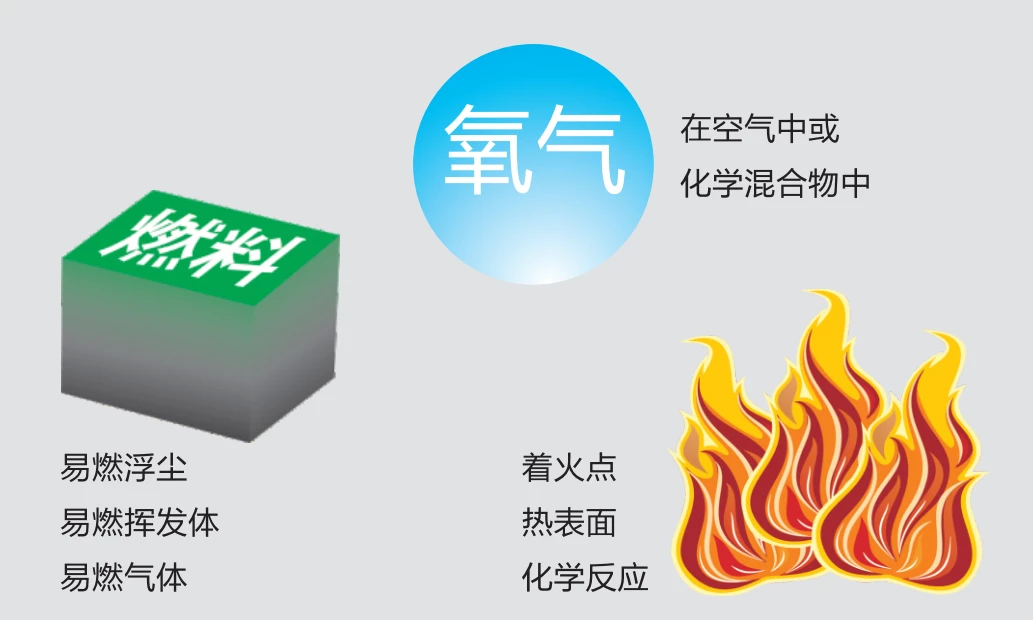
An explosion occurs when flammable substances mix with oxygen and ignite under certain conditions. If the reaction speed exceeds the speed of sound, it results in a destructive explosion wave.
2. What is Explosion Protection?
To prevent explosions, at least one of the three key factors must be controlled:
Flammable substances
Oxygen
Ignition source
Since flammable substances and oxygen are often unavoidable in industrial environments, the ignition source must be controlled.
Electrical equipment is a potential ignition source due to:
✔ Surface heating during operation
✔ Electrostatic discharge
✔ Sparks from electrical currents
Explosion-proof electrical equipment is designed to prevent excessive surface temperatures and electrical sparks, ensuring that it does not become an ignition source.
3. Classification of Hazardous Environments
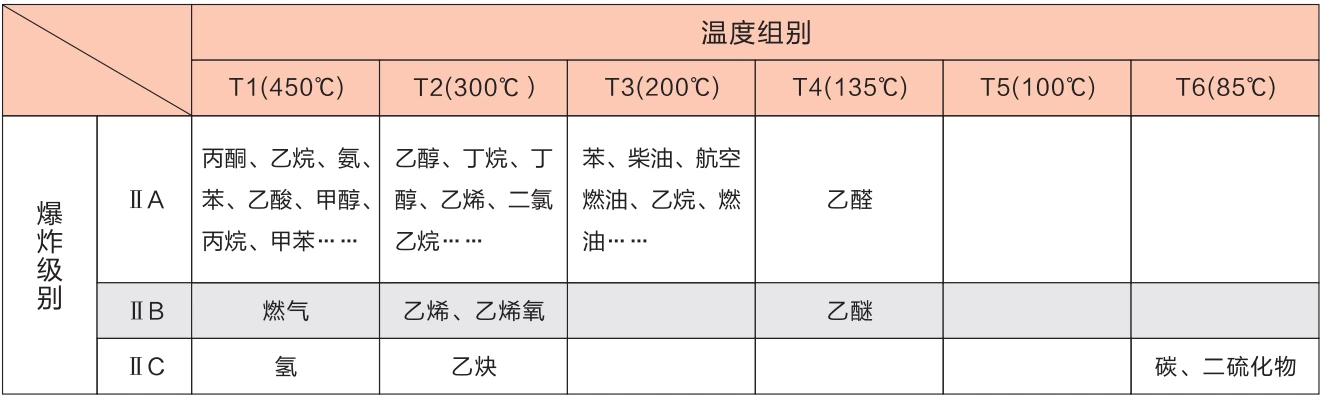
Explosion-proof electrical equipment is classified into two categories:
Category I: Equipment for coal mines
Category II: Equipment for other explosive gas environments
Category II Equipment
Explosion Groups (Based on Safety Gap & Ignition Current)
IIA
IIB (can be used in IIA conditions)
IIC (can be used in IIA & IIB conditions)
Temperature Groups (Based on Maximum Surface Temperature)
T1 (450°C)
T2 (300°C)
T3 (200°C)
T4 (135°C)
T5 (100°C)
T6 (85°C)
More than 90% of explosive gases fall under IIA, IIB groups y T1–T4 temperature classifications.
4. How is Explosion Protection Achieved?
Several methods ensure that electrical equipment is safe for explosive environments, as defined by GB3836, IEC60079, EN50014 standards.

Explosion-Proof (Exd) Design
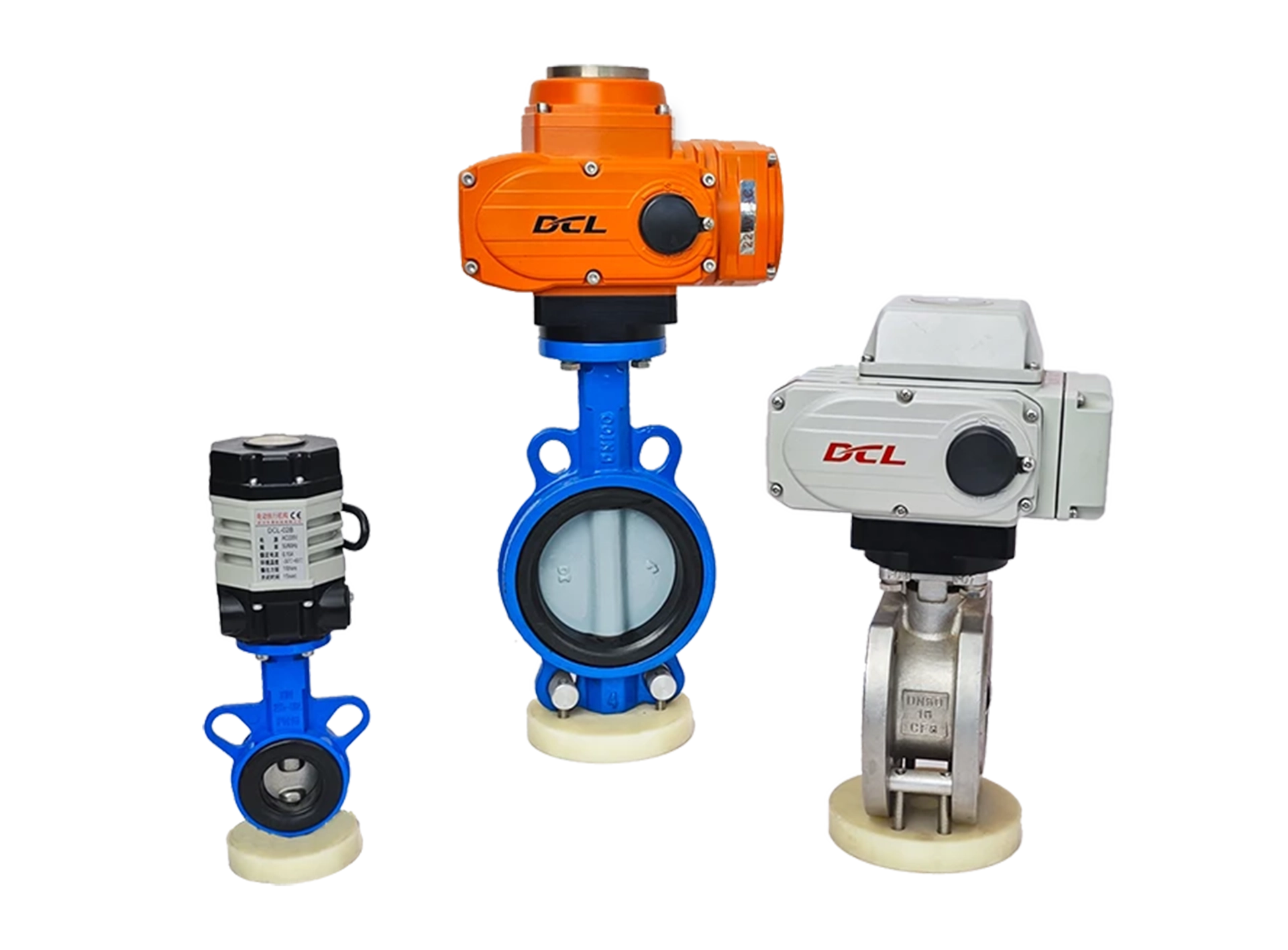
DCL explosion-proof actuators are manufactured in accordance with:
✔ GB3836.1-2010, GB3836.2-2010
✔ IEC 60079-0, IEC 60079-1, IEC 60079-31
✔ ISO/IEC 80079-36, ISO/IEC 80079-37
Flameproof (Exd) Design Principles
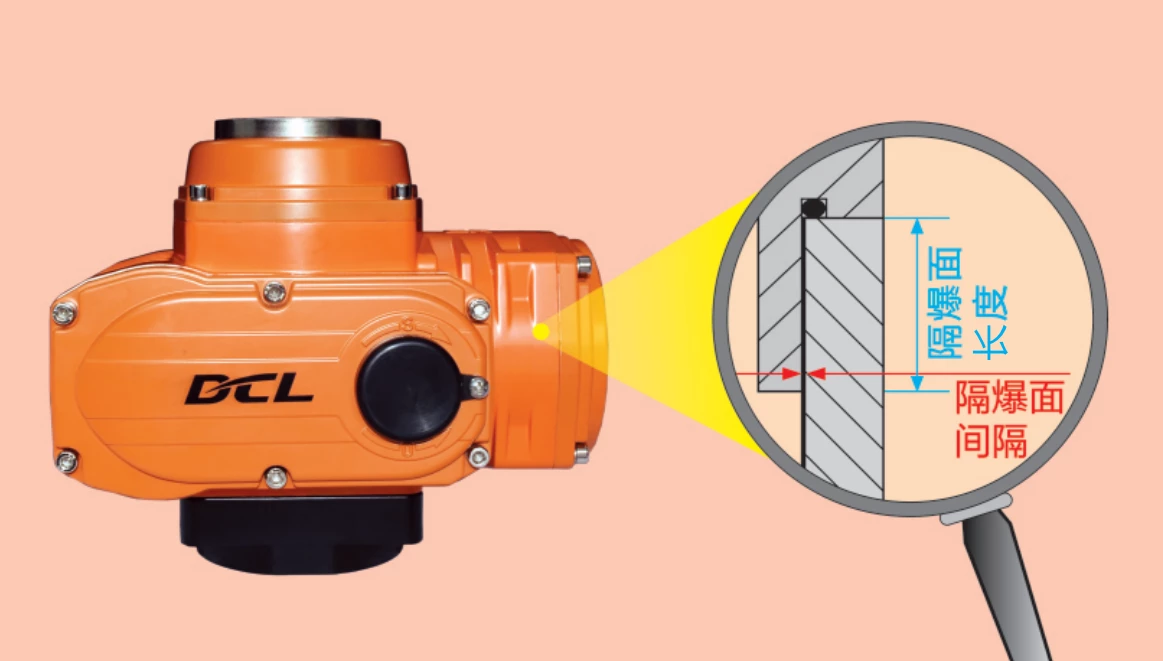
✔ Explosion may occur inside the device, but the enclosure prevents it from igniting the external environment.
✔ Flameproof joints are designed with the correct gap and length to contain internal explosions.
✔ Strong enclosures withstand high internal pressure without breaking.
DCL Explosion-Proof Components
✔ Motor compartment
✔ Electrical component compartment
✔ Wiring compartment
5. DCL Explosion-Proof Actuator Certification
Explosion Protection Level: Exd IIC T4 Gb
✔ Ex – Explosion-proof marking
✔ d – Flameproof type (“Exd”)
✔ II – Non-mining applications
✔ C – Explosion group (higher safety requirements)
✔ T4 – Maximum surface temperature 135°C
✔ Gb – Equipment protection level
Conclusion
Explosion-proof actuators are essential in hazardous environments to prevent ignition of explosive gases. DCL’s Exd IIC T4 Gb-rated actuators ensure safety by:
✔ Containing internal explosions
✔ Preventing sparks & excessive heat
✔ Withstanding high pressure without rupture
These design measures make DCL actuators reliable and safe for industrial applications in explosive atmospheres.


 English (UK)
  香港中文
香港中文  繁體中文
繁體中文  English (Canada)
  English (South Africa)
  English (Australia)
  English (New Zealand)
  English
  Español de Puerto Rico
  Français du Canada
  Español de México
  Español de Chile
  Español de Colombia
  Español de Uruguay
  עִבְרִית
  Nederlands (België)
  Français de Belgique
  Eesti
Eesti  Latviešu valoda
  Lietuvių kalba
  Français
  Deutsch
  Norsk nynorsk
  Deutsch (Österreich)
  Slovenčina
  Deutsch (Schweiz)
  Italiano